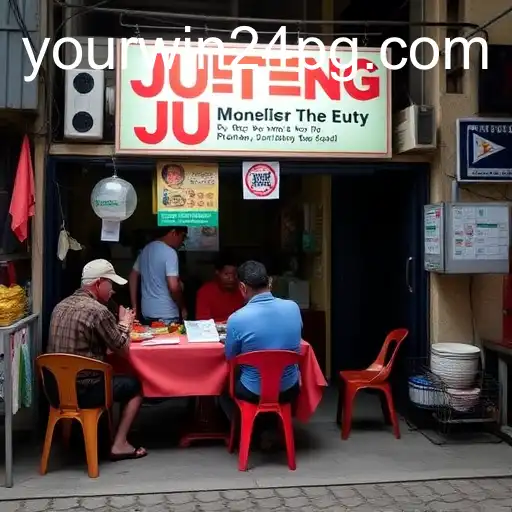
Understanding Jueteng: A Deep Dive into the Philippine Numbers Game
The Origin and Evolution of Jueteng
Jueteng is a deeply ingrained part of the Filipino culture. Originating from China, this numbers game made its way to the Philippines during the Spanish colonial period. Over time, jueteng evolved from a modest game played by a few into a massive underground industry, involving millions of Filipinos and an intricate network of collectors, tipsters, and operators.
How Jueteng is Played
Jueteng operates as a simple yet addictive numbers game. Players select any two numbers between 1 and 37, placing their bets with local collectors known colloquially as kubradores. These collectors submit the accumulated bets to their captain encargado, who then forwards them to financiers or lords with the means to pay winnings and bribe local authorities. A typical draw involves the random selection of a number combination, usually conducted twice a day, providing a rapid cycle of anticipation and results.
Societal Impact and Prevalence
Despite being illegal, jueteng remains pervasive throughout the Philippine archipelago, especially in Luzon. Its persistence is largely attributed to widespread poverty, lack of sufficient employment opportunities, and the cultural acceptance of gambling. Jueteng provides a means of livelihood for many; from bet collectors to operators, even local communities benefit from unofficial "donations" by jueteng financiers.
The Role of Authorities and The Legal Paradox
The complicated relationship between authorities and the jueteng industry is shrouded in controversy. Allegations of corruption, protection rackets, and bribery have historically plagued this sector. Despite several crackdowns and anti-gambling campaigns, jueteng persists. Local authorities often face criticism for either turning a blind eye or being actively involved in operations. The dichotomy between official prohibition and the underground operation speaks volumes about the complexities of governance and law enforcement in addressing deeply rooted local customs.
Pxxbet PG: A Modern Twist or Parallel Offering?
With technological advancements, digital platforms such as pxxbet PG have emerged, bridging traditional gambling and online gaming. This evolution is significant given the traditional face-to-face betting culture of jueteng. Pxxbet PG provides a modern, digital landscape for bettors, offering a different form of engagement while maintaining the essence of what attracts players to jueteng: the thrill of chance.
Unlike the traditional jueteng which relies on local operators, platforms like pxxbet PG introduce greater accessibility and anonymity. The online transition poses regulatory challenges, similar to those of jueteng, but with an added layer of complexity due to jurisdictional issues. As more players transition to or experiment with online formats, authorities face the challenge of updating legal frameworks to encompass these digital developments.
Economic Implications and Community Dynamics
Jueteng exemplifies the economic disparity in the Philippines. While it provides short-term financial relief and jobs, the long-term societal effects are predominantly negative. The informal nature of jueteng means a lack of tax contribution, which could instead support public services. Additionally, the allure of easy money can deter participants from pursuing stable employment or education, potentially perpetuating cycles of poverty.
Community dynamics also shift around jueteng operations. Where the game functions extensively, communal relationships may be strained by rivalry or competition. Interestingly, jueteng has built-in social mechanisms such as the collection and sharing of bets, but it also fosters dependency on gambling for economic survival.
Conclusion
The world of jueteng is fraught with complexity, deep cultural roots, and societal implications. Navigating its existence alongside modern betting platforms like pxxbet PG presents unique challenges and opportunities for both policymakers and communities. Jueteng is more than just a game—it's a reflection of socio-economic realities, cultural traditions, and the constant evolution of gambling practices in the Philippines.